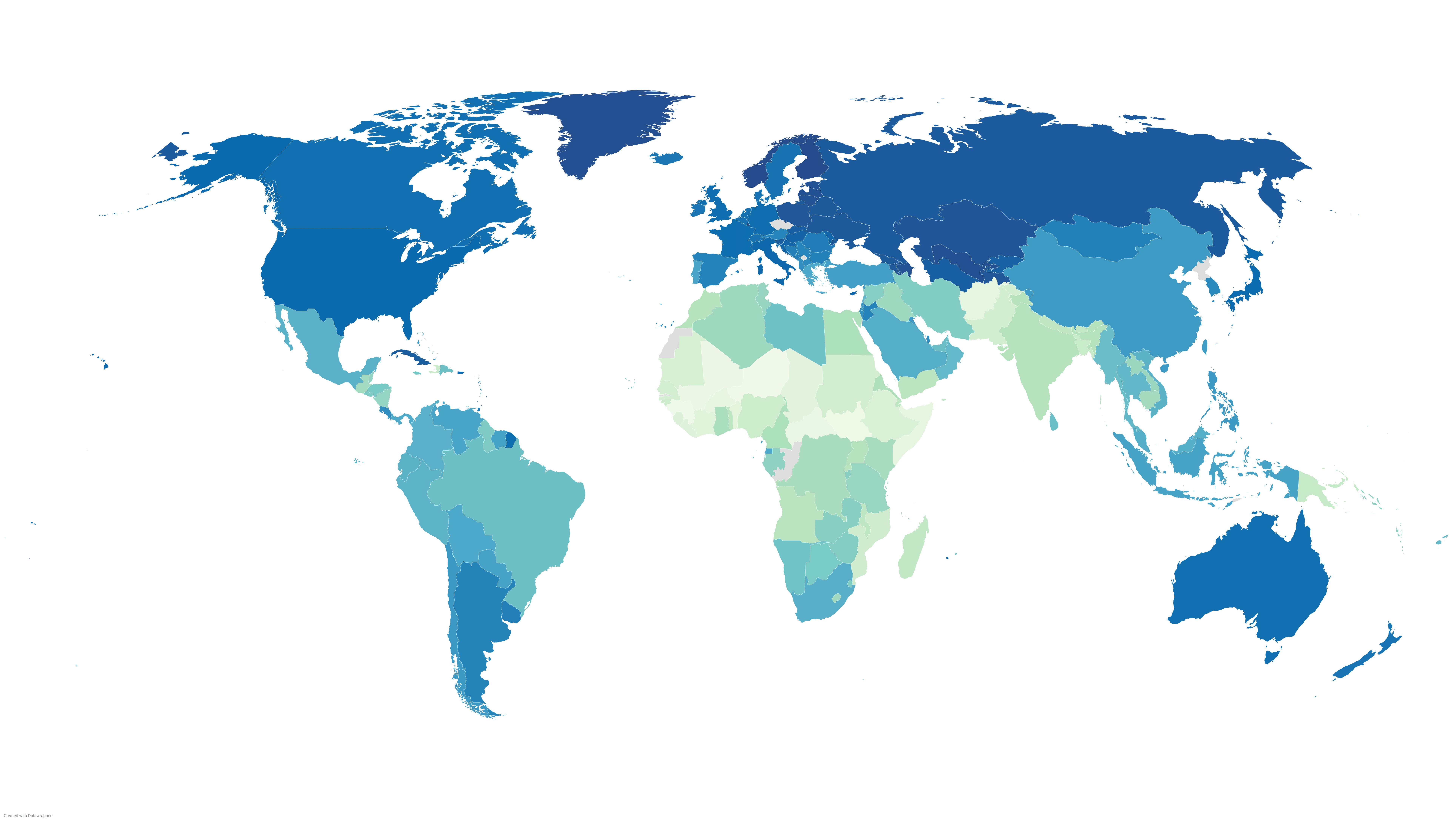
Most Expensive Petrol Prices by Country (2026) ⛽
Petrol prices vary significantly across the world due to factors such as government taxes, oil production, currency strength, and geopolitical conditions. In 2026, global fuel prices fluctuated due to supply chain issues and increased demand.
In this article, we present the most expensive petrol prices by country in 2026, along with a global ranking and comparison. This guide helps you understand which countries have the highest fuel costs and why.
All gasoline prices mentioned in this article were last updated on April 27, 2026 And this article provides a complete overview of petrol prices by country in 2026.
📊 Top 20 Countries with Highest Petrol Prices (2026)
| Rank | Country | Petrol Price (USD/Liter) |
|---|---|---|
| 1 | Hong Kong | 4.153 |
| 2 | Malawi | 3.832 |
| 3 | Israel | 2.808 |
| 4 | Denmark | 2.731 |
| 5 | Netherlands | 2.680 |
| 6 | Germany | 2.448 |
| 7 | Albania | 2.440 |
| 8 | Singapore | 2.414 |
| 9 | Switzerland | 2.398 |
| 10 | Greece | 2.392 |
| 11 | Monaco | 2.366 |
| 12 | Liechtenstein | 2.357 |
| 13 | Finland | 2.330 |
| 14 | Norway | 2.326 |
| 15 | France | 2.314 |
| 16 | Mayotte | 2.308 |
| 17 | Portugal | 2.257 |
| 18 | Ireland | 2.234 |
| 19 | Belgium | 2.180 |
| 20 | United Kingdom | 2.123 |
The table above shows the most expensive petrol prices by country in 2026. Complete list of petrol prices by country (170 countries) is shown below.
Petrol Prices by Country Overview (2026)
Petrol prices by country vary significantly depending on taxation, oil production, and economic conditions. In 2026, global fuel costs show a clear difference between high-tax regions and oil-rich countries. This overview highlights key trends and variations in petrol prices worldwide.
🗺️ Petrol Prices by Country Map (2026)
🌍 Top Countries with the Highest Petrol Prices
1. Hong Kong
Hong Kong consistently ranks as the most expensive place for petrol. High taxes, limited land, and heavy reliance on imports contribute to extremely high fuel prices.
2. Malawi
Malawi has relatively high petrol prices compared to its region due to import dependency, transportation costs, and economic challenges affecting fuel supply.
3. Israel
Israel experiences high petrol prices mainly because of significant government taxes and limited domestic oil production, making it reliant on imports.
4. Denmark
Denmark is known for its high petrol prices due to heavy taxation and strict environmental regulations. The country promotes green energy, which also impacts fuel costs.
5. Netherlands
The Netherlands consistently ranks among the most expensive countries for petrol. High fuel taxes, environmental policies, and strong currency contribute to elevated petrol prices.
6. Germany
Germany’s petrol prices are high because of substantial fuel taxes, environmental policies, and the transition toward renewable energy, which influences overall fuel pricing.
7. Albania
Albania has relatively high petrol prices for its region due to import dependency and limited refining capacity, along with taxes that impact the final cost.
8. Singapore
Singapore is one of the most expensive countries for petrol due to limited land, no domestic oil production, and very high taxes aimed at controlling vehicle usage.
9. Switzerland
Switzerland experiences expensive petrol prices because of strong currency value, high living costs, and environmental taxes. Strict regulations also contribute to higher fuel costs.
10. Greece
Greece has high petrol prices mainly due to heavy fuel taxes and economic policies. As a country that relies on imported oil, transportation and supply costs also add to the final price.
📊 CHART / GRAPH (Top 10)
⚖️ Expensive vs Cheapest Petrol Countries
🔴 Most Expensive Regions
- Europe dominates the list due to high taxation
- Hong Kong remains the most expensive globally
🟢 Cheapest Petrol Countries
Some oil-rich countries offer significantly cheaper petrol:
- Libya
- Venezuela
- Iran
- Saudi Arabia
These countries subsidize fuel for their citizens, resulting in very low prices.
🌍 Petrol Prices: Europe vs Middle East
Petrol prices vary greatly between regions. European countries consistently have the highest fuel prices due to heavy taxation and strict environmental policies. Governments in countries like Germany and France impose high fuel taxes to reduce carbon emissions and encourage public transport.
On the other hand, Middle Eastern countries such as Saudi Arabia and Iran offer significantly cheaper petrol prices. This is mainly because these countries are major oil producers and often subsidize fuel for their citizens.
Full Petrol Prices by Country List (2026)
📊 Factors Affecting Petrol Prices
Petrol prices are influenced by multiple economic and political factors. Understanding these factors helps explain why prices differ so much across countries.
- Taxes and Duties: Countries with high taxes tend to have higher fuel prices.
- Oil Production: Oil-rich nations usually offer cheaper petrol.
- Import Costs: Countries that import oil face higher transportation costs.
- Currency Exchange Rates: Weak currencies can increase fuel prices.
- Refining and Distribution Costs: Infrastructure and logistics also play a major role.
📉 Petrol Price Trends Over Time
Over the past few years, petrol prices have shown significant fluctuations. In 2024 and 2025, global fuel prices increased due to rising demand and geopolitical tensions. By 2026, prices have stabilized in some regions but remain high in Europe.
Countries with strong economies continue to maintain higher fuel costs due to environmental regulations, while developing countries try to keep prices lower to support economic growth.
📈 Why Are Petrol Prices So High?
Several key factors affect petrol prices worldwide:
- High government taxes
- Import dependency
- Currency exchange rates
- Global oil supply and demand
- Environmental policies
📉 Petrol Prices by Country Trends (2026)
In 2026, petrol prices have shown a rising trend due to geopolitical tensions and increasing demand. European countries continue to lead in high fuel costs, while oil-producing nations maintain lower prices.
🔗 Also check related fuel costs worldwide:
- Diesel Prices by Country (2026)
- LPG Prices by Country (2026)
- Electricity Prices by Country (2026)
Frequently Asked Questions (FAQs)
Hong Kong currently has the highest petrol prices globally.
Petrol prices in Europe are high due to heavy taxation and environmental regulations.
Venezuela and Iran are among the countries with the lowest petrol prices.
High taxes, import dependency, and environmental policies are the main reasons behind expensive petrol prices.
Petrol prices may increase due to inflation, global demand, and geopolitical tensions, although renewable energy trends could slow this growth.
Oil-producing countries have direct access to crude oil and often subsidize fuel prices, making petrol cheaper for consumers.
Petrol prices by country vary depending on taxes, oil production, and economic conditions.
🎥 Watch Full Video
🧾 Conclusion
Petrol prices in 2026 highlight a clear global divide between expensive and affordable fuel markets. While European countries dominate the high-price category due to taxation and environmental policies, oil-rich nations continue to offer lower prices. Understanding these differences helps explain global economic patterns and energy policies. Overall, petrol prices by country show significant variation worldwide.


Table of contents